Wargaming Background
Games taught me to see decisions before they became my profession.
My personal connection to wargaming belongs here. The detailed military training systems, methods, and case studies live at NextGen Wargame.
Origin
From PanzerBlitz and Squad Leader to professional training.
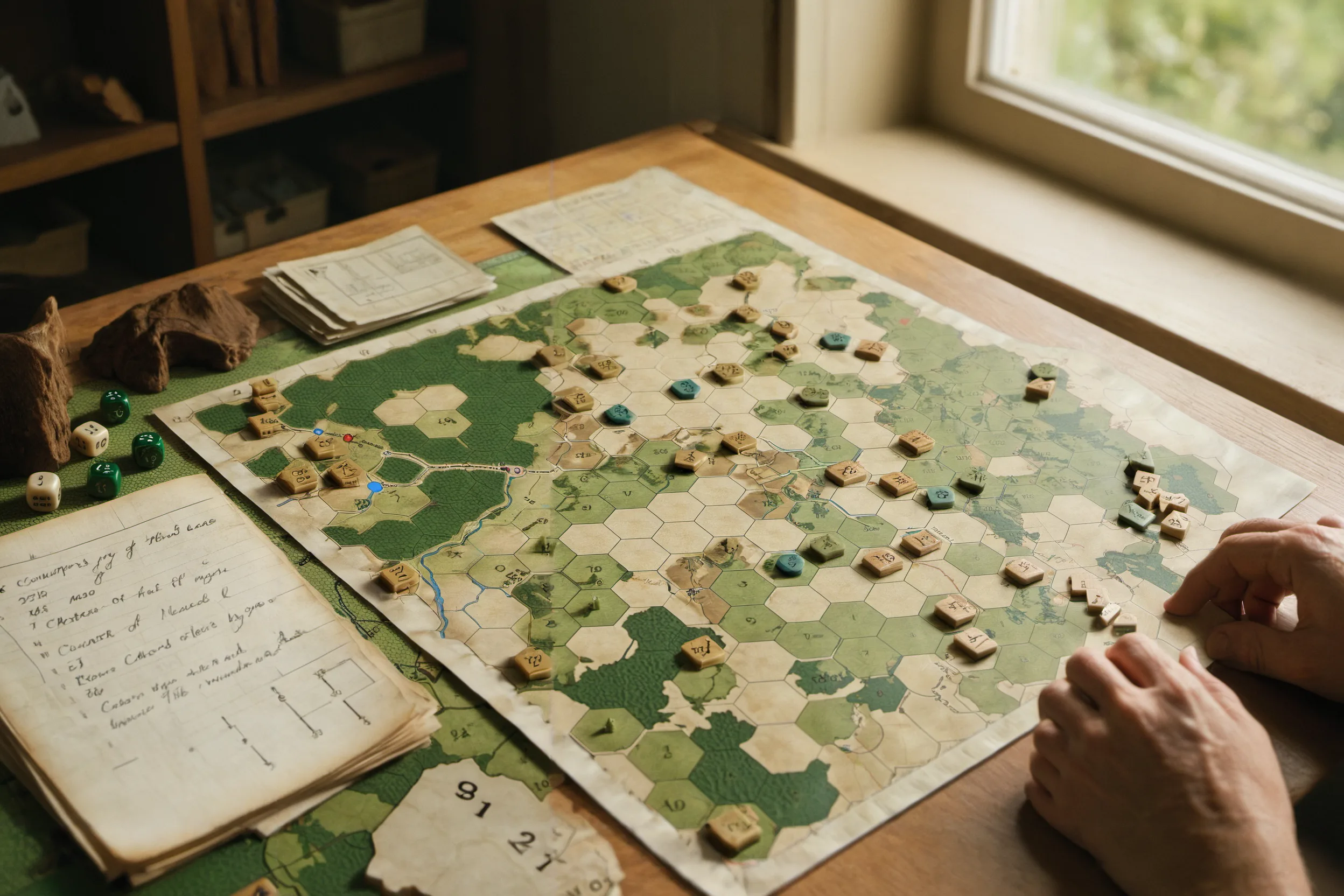
I started with commercial board wargames in the late 1970s. What held my attention was not collecting or nostalgia. It was deciding what units should do, reading terrain, managing time, and seeing how scenario design shaped meaningful choices.
Those habits followed me into military education, simulation support, curriculum development, and exercise planning. Wargaming became less a category of game and more a way of structuring decision problems.
Continue at NextGen Wargame